

Distributacon Inc.
6035 Queens Ave NE Ste. 200
Otsego, MN 55330, USA
Why Should Your Trampoline Be Safety Certified?
5 Mins Read

Last updated on April 17, 2026
A backyard trampoline should mean laughter, fresh air, and active play, not unexpected trips to the emergency room. While trampolines are designed for fun, they are also powerful athletic equipment. That’s why trampoline certification isn’t just a marketing badge, it’s a critical factor in protecting your family.
If you’re shopping for a new trampoline, understanding trampoline safety standards will help you make a confident, informed decision. Let’s explore what certification really means and why it matters more than you might think.
Understanding Safety Certifications: What Do the Labels Mean?
When you see a trampoline labeled as “certified,” it means the product has passed specific testing requirements set by recognized safety organizations.
In the United States, the most important trampoline safety standard is ASTM International (formerly the American Society for Testing and Materials). ASTM sets strict guidelines for:
- Structural integrity
- Weight capacity verification
- Enclosure net performance
- Impact protection
- Frame and material strength
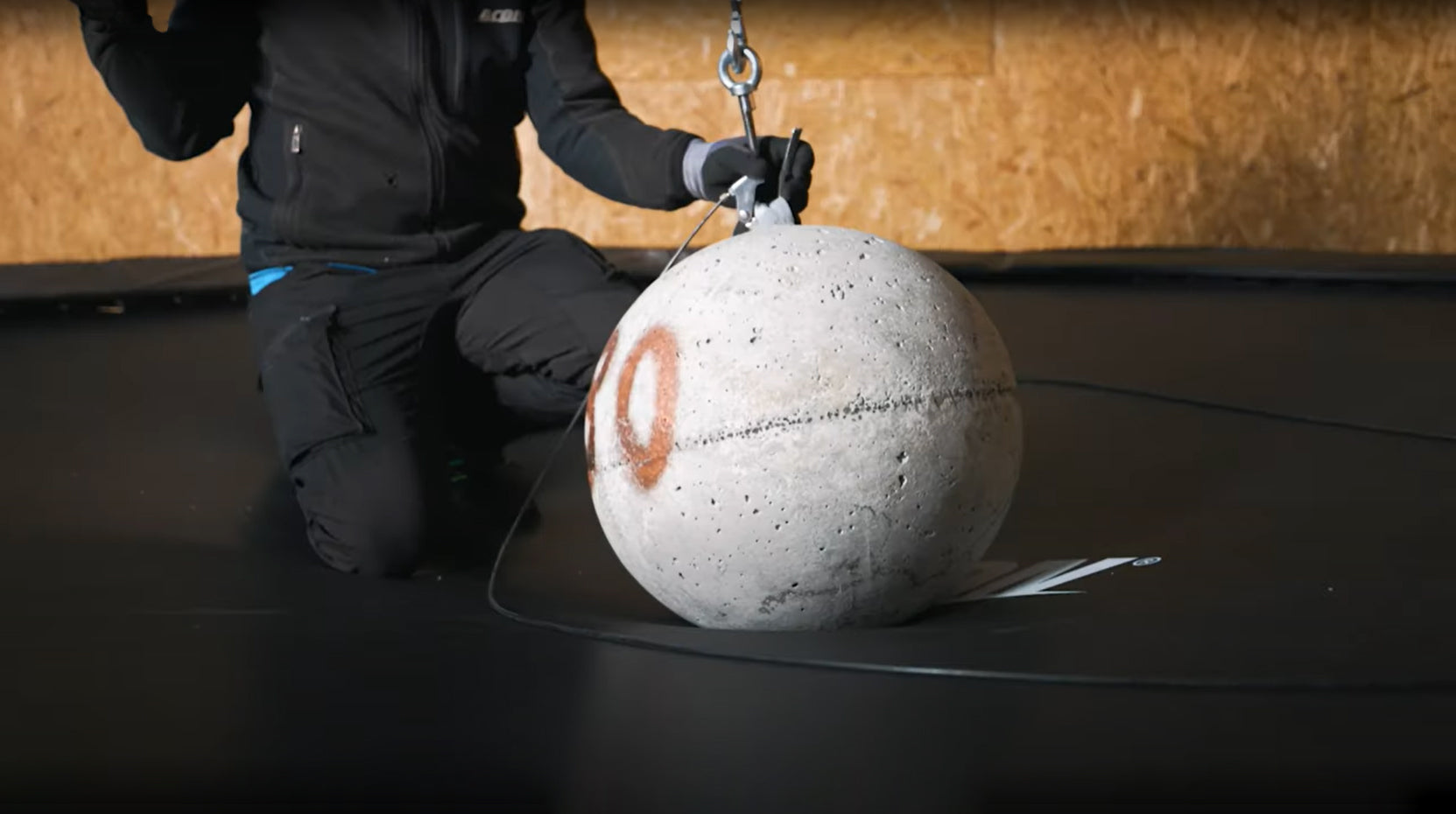
- These aren’t simple checklists. Manufacturers must submit models for independent testing to confirm they meet specific performance thresholds. Certified trampolines undergo stress tests that simulate years of use.
You can learn more about Acon trampoline safety and how rigorous certification helps prevent injuries.
Without proper certification, there’s no guarantee the product meets any recognized safety benchmark.
Preventing Common Injuries Through Tested Design
Many trampoline injuries stem from predictable issues: exposed springs, weak enclosure nets, frame instability, or limb entrapment.
Certified trampolines must meet specific design requirements that directly address these risks.
For example:
- Enclosure net strength testing ensures the net can withstand repeated high-impact contact.
- Gap-free designs help prevent arms or legs from slipping between the mat and springs.
- Thick, impact-absorbing padding covers springs and frame edges.
- Stability testing ensures the structure remains balanced during dynamic movement.
- Premium models, such as those featuring reinforced enclosures and advanced frame engineering, go beyond minimum standards. For example, this high-performance enclosure system is designed to reduce impact-related injuries while maintaining structural tension.
Thoughtful engineering, combined with proper certification, dramatically improves overall trampoline safety.

Material Durability and Weather Resistance
Backyard trampolines must endure sun, rain, snow, humidity, and temperature swings. Certified models are tested for:
- UV resistance to prevent mat degradation and tearing
- Rust resistance on galvanized or powder-coated steel frames
- Mat tensile strength under repeated stress
- Maximum weight capacity verification
During certification testing, manufacturers simulate years of jumping cycles. If the frame bends or the stitching fails under stress, the product does not pass.
This kind of durability testing helps prevent sudden structural failure, one of the most serious safety hazards.
When you see the word certified, it means the materials, frame, and design have been validated against recognized standards, not just internal claims.
Liability and Insurance Benefits for Homeowners
Here’s something many buyers don’t consider: insurance.
Some U.S. homeowner insurance providers require outdoor recreational equipment to meet recognized safety certifications. If an injury occurs and the trampoline does not meet ASTM standards, coverage could become complicated. Always check your own insurance policy for specific requirements and coverage details.
Choosing a certified trampoline:
- Demonstrates responsible ownership
- Reduces liability concerns
- Supports insurance compliance
- Provides documentation if questions arise
While no trampoline is risk-free, purchasing a model built to recognized international safety standards shows you’ve taken appropriate precautions.
That peace of mind is invaluable.

Long-Term Value: Why Certified Models Are a Better Investment
Certified trampolines may cost more upfront but they typically last significantly longer.
Why?
Because they’re built using tested materials and engineered for durability. Cheaper, uncertified models often degrade quickly under outdoor exposure, leading to:
- Torn mats
- Rusted frames
- Sagging springs
- Unsafe instability
Higher-quality brands also offer standardized replacement parts and extended warranties. Learn more about lifetime trampolines and how durability contributes to long-term value.
Over time, investing in a certified trampoline often costs less than repeatedly replacing lower-quality alternatives.
Why ACON Is the Safest Trampoline Choice for Your Family
Acon trampolines are engineered differently from standard retail models.
Their integrated Synergy Design combines frame geometry, spring configuration, and enclosure tension into one cohesive safety system. This minimizes joint strain while maximizing controlled bounce performance.
Key safety-focused features include:
- Gap-free enclosure systems to eliminate spring-related injuries
- Heavy-duty steel frames with enhanced rust resistance
- Performance-tested jump mats
- High weight capacities exceeding typical backyard models
- Rather than treating safety as an accessory, Acon integrates protection into the core structural design.
The result? A trampoline that remains a high-performance safety tool for years, not just a single season.
F.A.Q.: Everything You Need to Know About Trampoline Standards
How can I verify if a manufacturer’s safety claim is legitimate?
Look for documented ASTM compliance and independent lab testing. Reputable manufacturers provide certification documentation upon request.
Do safety certifications expire or change over time?
Standards are periodically updated as new research emerges. Responsible manufacturers regularly retest models to ensure continued compliance.
Are there specific certifications required for inground vs. above-ground trampolines?
While ASTM standards apply broadly, certain installation requirements may differ. Always confirm that the specific model meets applicable standards for its intended setup.
Does certification guarantee zero injuries?
No recreational equipment can eliminate all risk. Certification significantly reduces hazards by ensuring compliance with recognized safety requirements.
What should I look for on the product label?
Look for ASTM references, weight capacity limits, manufacturer details, and clear usage guidelines.
Choosing a trampoline is about more than bounce; it’s about safety, durability, and responsible ownership. With proper trampoline certification, you’re not just buying equipment: you’re investing in peace of mind.